Deer Mice, Hantavirus and Cleaning Up Safely
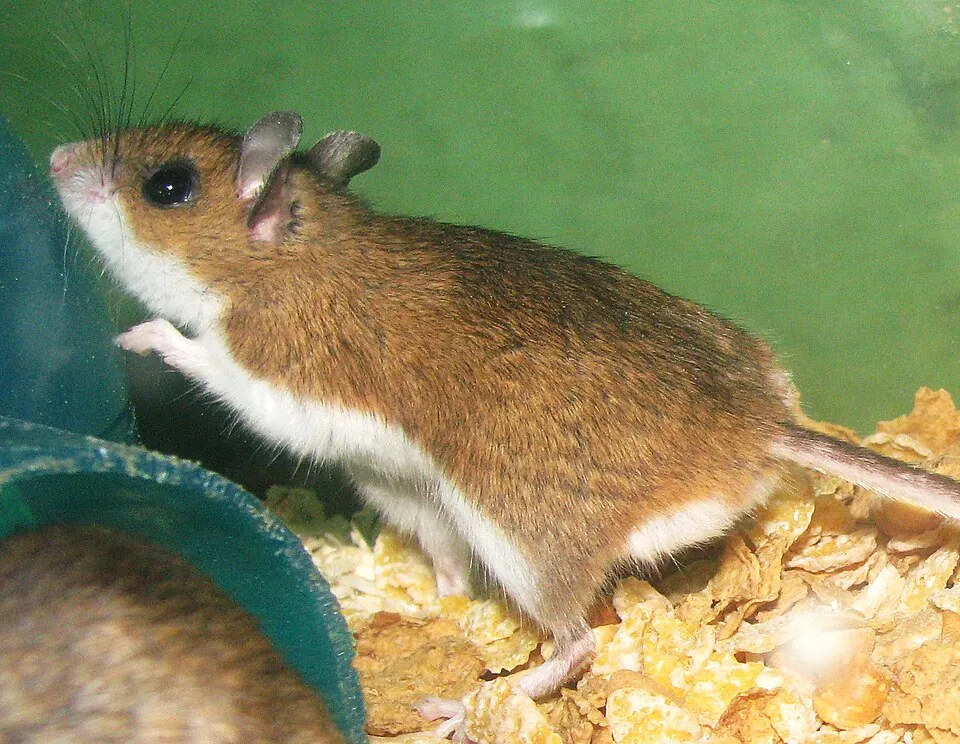
In a house, the mouse you're dealing with is usually a house mouse. Deer mice are the ones that turn up in sheds, garages, cabins and outbuildings, and they're the main carrier of hantavirus. Multnomah County health officials say deer mice are found locally, that you can't tell an infected mouse by looking at it, and that every mouse should be treated as if it's infected.
How People Get Sick
According to the county's guidance, people can catch hantavirus by breathing in particles from dried urine, droppings or saliva, by touching mice or their nests, or by eating food they've contaminated. That's why the cleanup method matters so much.
Cleaning Up Droppings
The county's steps:
- Never dry sweep or vacuum droppings or nests
- Put on rubber gloves, a long-sleeved shirt, goggles or glasses and a dust mask
- Wet everything with one part bleach to nine parts water, or a household disinfectant
- Disinfect dead mice, pick them up with a tool, double-bag them and put them in a covered outdoor trash can
- Wash your hands well with soap and warm water, and launder your clothes
Sheds, Cabins and Closed-Up Garages
Cleaning out a shed or opening up a cabin after a quiet season usually means dealing with whatever the mice left behind. Follow the steps above. If there's a lot of nesting, call and we'll connect you with a provider. Mouse control covers trapping and sealing.
Questions People Ask
How do I tell a deer mouse from a house mouse?
Deer mice have big eyes and a tail that's dark on top and light underneath. House mice are a more even gray-brown. It's hard to be sure, so clean up as if it's a deer mouse.
Should I see a doctor?
If you get sick after cleaning up after mice, call your doctor and tell them about the exposure.